

 Hi Friends, it’s Gus, your local door and window expert!
Have you ever thought of ditching the blue stuff (yep, looking at you Windex) to start making your own window cleaner? One spray later and—wow. Once you do, you’ll regret that you didn’t switch sooner. It’s cheaper, works better, and no streaks. Oh, and did I mention it only takes two ingredients? Grab an empty spray bottle and get ready to see the light. (Pun totally intended.)
But wait—there’s more! Homemade cleaners aren’t just budget-friendly, they’re eco-friendly too. You’ll cut down on unnecessary chemicals in your home and save a few bucks. Honestly, it’s a win-win-win situation.
The Secret Sauce
(a.k.a. What You’ll Need)
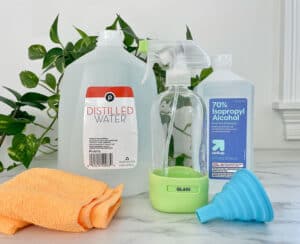
It’s super simple: just water + isopropyl alcohol. But if you like to play mad scientist in the kitchen, here are a few extra ingredients you can experiment with:
- Empty spray bottle (glass or plastic)
- Water (distilled is even better)
- 70% isopropyl alcohol (rubbing alcohol)
- White vinegar (optional)
- Mild dish soap (optional)
- Essential oils (optional, for fragrance)
- Cornstarch (optional, for scrubbing power)
- Funnel & measuring cups (so you don’t spill half of it on the counter)
💸 Cost check: Most of these ingredients are $2–$3…. and makes triple what you’d get in a $4 bottle of Windex. That’s called a clean win.
Can You Reuse a Spray Bottle?
Tempting, right? That empty Windex bottle is just sitting there, begging for a refill. But here’s the deal: leftover chemicals can react with your new formula in not-so-fun ways (think toxic fumes). For example, bleach + vinegar = chlorine gas = 🚫.
The safest bet? Start fresh with a new spray bottle. Bonus points if it comes with a label so you don’t accidentally spray your windows with “BBQ Sauce” next time.
Why These Ingredients Work
Let’s break down why this simple mix is basically glass-cleaning magic:
- Distilled Water – No mineral buildup = no streaky “why did I even bother?” finish.
- Rubbing Alcohol – Cleans, disinfects, and evaporates fast so glass dries streak-free.
- White Vinegar – Cuts through grime like a champ.
- Dish Soap – Tackles greasy fingerprints (and masks vinegar smell).
- Essential Oils – Smells nice, but don’t go overboard or you’ll get streaks.
- Cornstarch – Gentle scrubber for really grimy windows. Just rinse well after!
Mix It Up: DIY Recipes
There’s no “one true formula”—so experiment until you find your fave. Here are a few starter combos:
- Alcohol Power Clean: 1 cup water + 1 cup rubbing alcohol
- Vinegar Classic: 2 cups water + ¼ cup vinegar
- Balanced Blend: 2 cups water + ¼ cup rubbing alcohol + ¼ cup vinegar
- Grease Buster: Add ½ tsp dish soap to any recipe
- Smell Pretty: Add 5 drops of your favorite essential oil
- Scrub Mode: Add 1 tbsp cornstarch (then rinse thoroughly)
👉 Pro tip: A funnel helps avoid the “oh no, I poured half the bottle on my floor” problem. Shake well, slap a label on it, and boom—you’ve got your new favorite cleaner.
Window Cleaning Tips for a Streak-Free Shine
- Wait for Shade – Don’t clean in direct sunlight or on hot glass, unless you like streaks.
- Dust First – Wipe away loose dirt so you’re not just smearing it around.
- Spray, Wait, Wipe – Give your cleaner a few seconds to loosen grime.
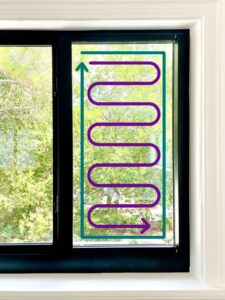
- The Box + S Method – Outline the window in a “box,” then wipe in an “S” from top to bottom.
- Use the Right Cloth – Microfiber > paper towels. A squeegee works wonders too.
So there you have it: a DIY window cleaner that’s cheap, easy, streak-free, and kind of fun to make. Once you try it, you might just find yourself looking for excuses to clean your windows. (Yes, really.)
✨ Here’s to seeing the world a little clearer—one spray at a time.
(Information and photos provided by YoungHouseLove. Check out their website for other DIY help for your home.)


